Clinamen
Haydens, 2026
—
Noise is an exhibition by Camille Laddawan based off the text Noise: The Political Economy of Music by Jacques Attali, a French economist and social theorist. His book traces Western music through four broad historical phases: sacrificing, representing, repeating and composing. In each phase, music relates differently to social order, from ritual and communal control to reproduction, commodification and finally more open possibilities for creation.
Laddawan, being part Thai, has chosen to explore Attali’s ideas through the Thai fiddle player Thonghuad Faited, in particular his two songs called Diew Sor Kid Hod Baan (Missing Home) and Eua Aree See Sor.
Laddawan believes that the heard of the connection for her between this musician and theorist is that they treat sounds as a model of freedom - an economy and creation rather than consumption.
When viewing Thonghaud’s music, it can be seen as Attali’s concept of composition as he played for pleasure not for a producer, his performances were improvisatory, communal, cicular. Standing more for music practice rather than economy, echoing Attali’s vision of artists recalling sound from the market.
He comes from the Isan tradition, the rural musical culture of northeast Thailand near Laos and Cambodia. His work is noted for moving from sprightly melodies to more haunting, atmospheric styles over woozy basslines, drones, and percussion.
Laddawan’s decision for this musician is because he is an artist who bridged ancient oral traditions, indigenous instruments such as the Sor with Western influences of modern electric sound in the 1970s — a pivotal era for northeastern Thai music.
Traditional molam functioned through community exchange—a performer’s song was a gift circulating among people, not a commodity sale.
Attali connects such systems to gift economies that resist monetized reproduction.
Thonghuad’s improvisations maintained that ethos even when electrified: they carry the feel of personal exchange, of local storytelling.
Attali argued that controlling noise is controlling society.
Thonghuad’s music, recorded on the margins of Bangkok’s centralized media, embodies noise as autonomy:
It gave aural space to rural identity.
It unsettled the aesthetic order of urban pop with droning, microtonal sound worlds.
It voiced what modernization left unheard.
Listening to him through Attali, you hear a sonic politics of the periphery—resistance through sound.
Thonghuad was part of the Isan music circuit—the rural northeastern area of Thailand closely connected to Lao culture across the Mekong River.
There are few written records of his life, but ethnomusicologists believe he worked mainly in Ubon Ratchathani (Camille’s daughter’s heritage) and surrounding provinces before his recordings entered the Bangkok cassette market.
The sor functions both melodically and percussively — sliding between notes, bending pitches microtonally, and imitating human phrasing.
Accompanying text by Justin Clemens and Roslyn Orlando.
AESTHETIC BRIEF
- Lexie Smith
- Tangerine NYC
- Anna Fiedler
- Mashara
- Santengelo
- Can hang it in the boathouse and it look good
- Jcqueline Sullivan Gallery
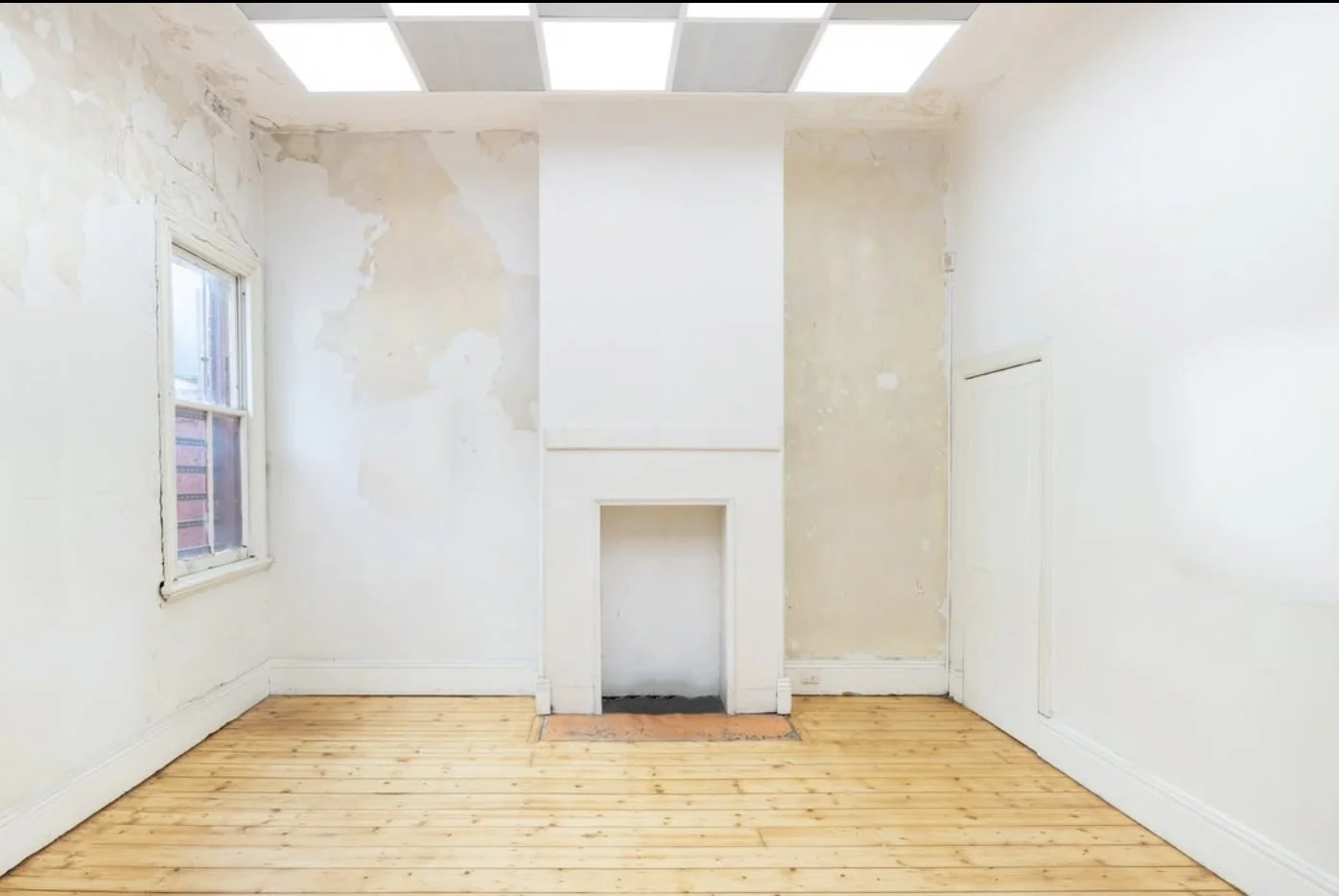
Serpent, 2026
11cm x 11cm
Glass beads, thread
Glissant, 2026
17cm x 21cm
Sterling silver, aluminium, sterling silver earring
Roslyn, 2026
10cm x 8cm
Glass beads, resin, seahorse, stone
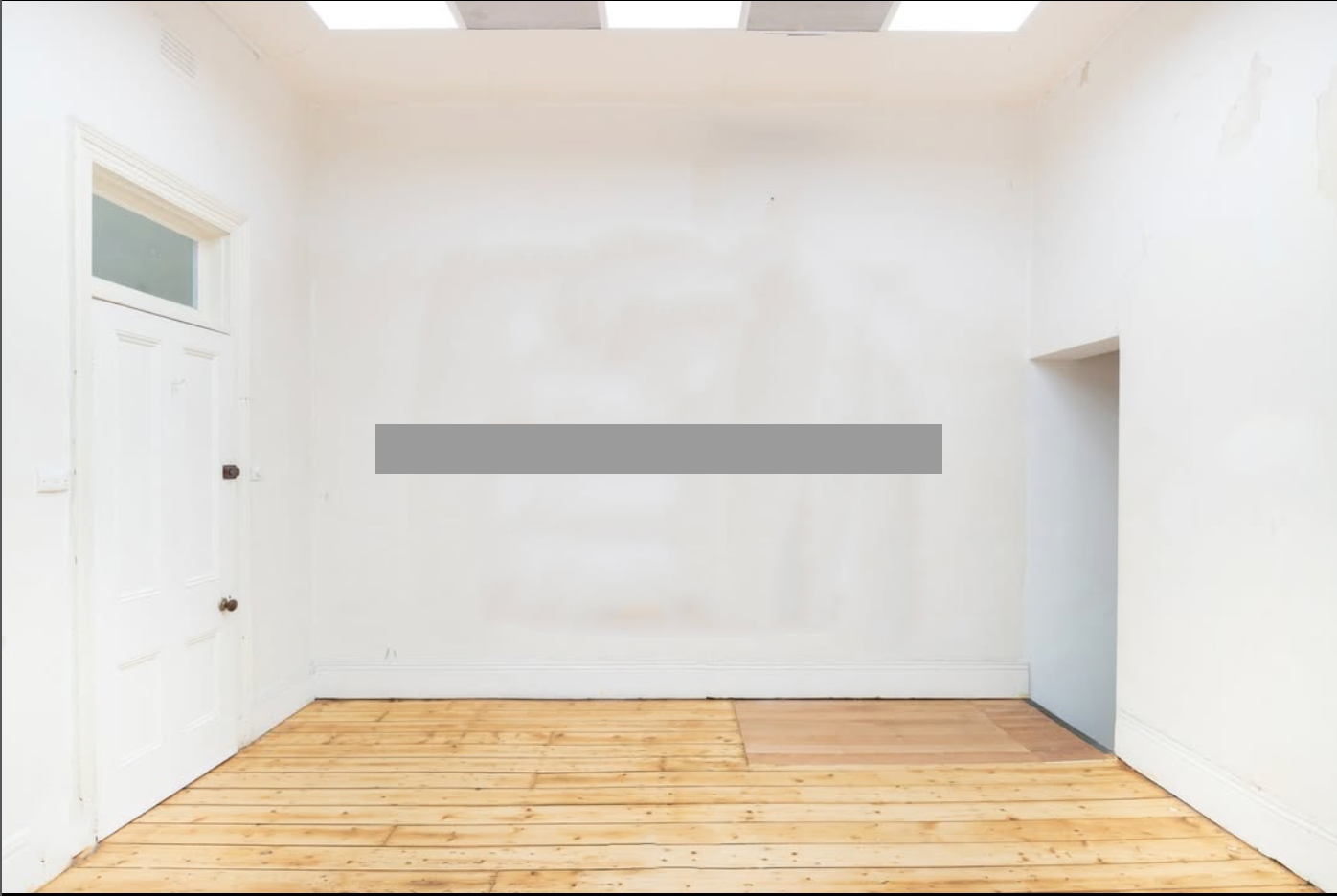
Notes on boredom, 2026
300cm x 20cm
Aluminium, glass beads, pearl, silver
Can be presented hanging with beads in the grooves
Semi semetrical waves like a necklace
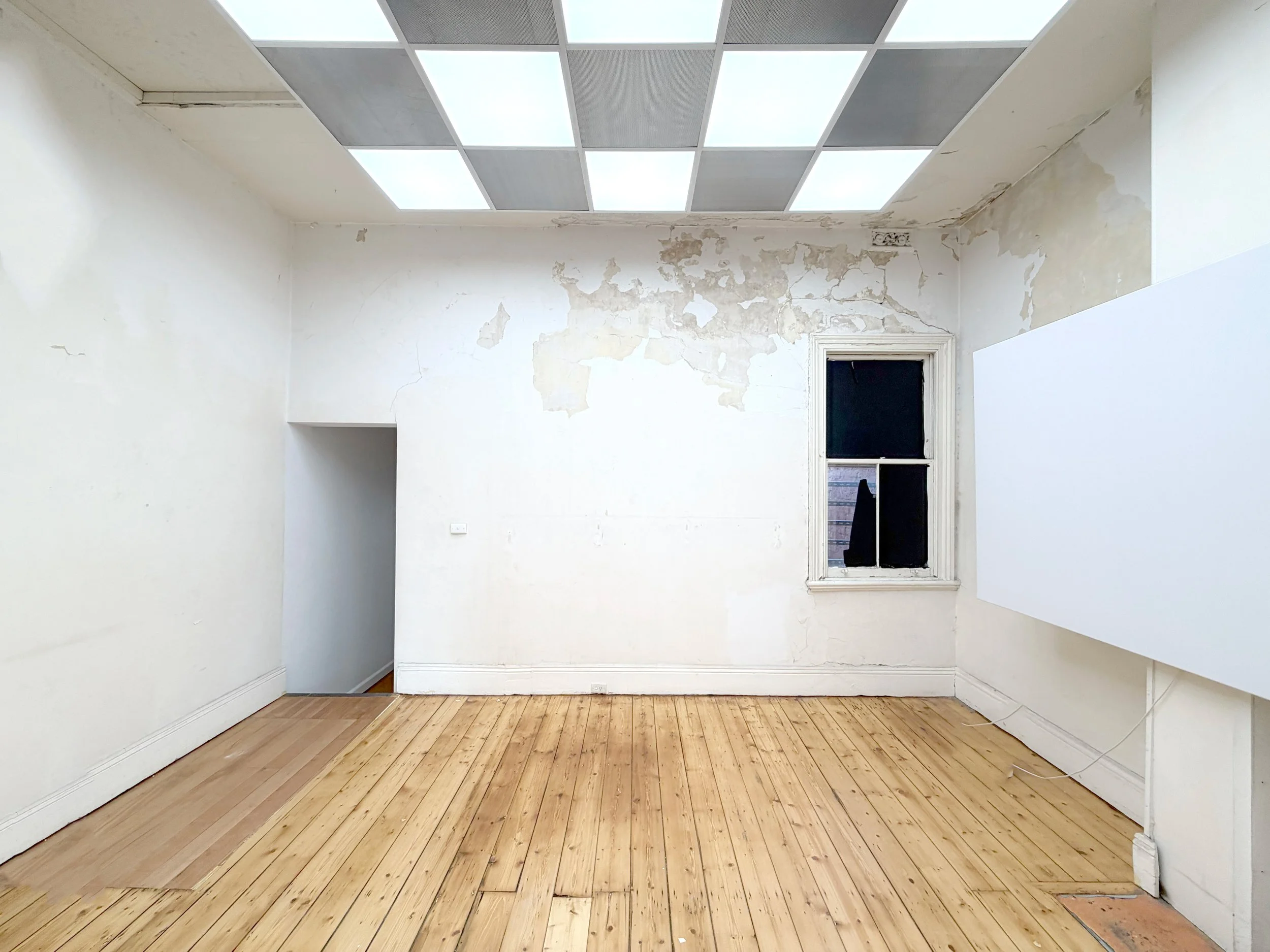
Can Bag, 2026
Glass beads, thread, aluminium
One more medium bag
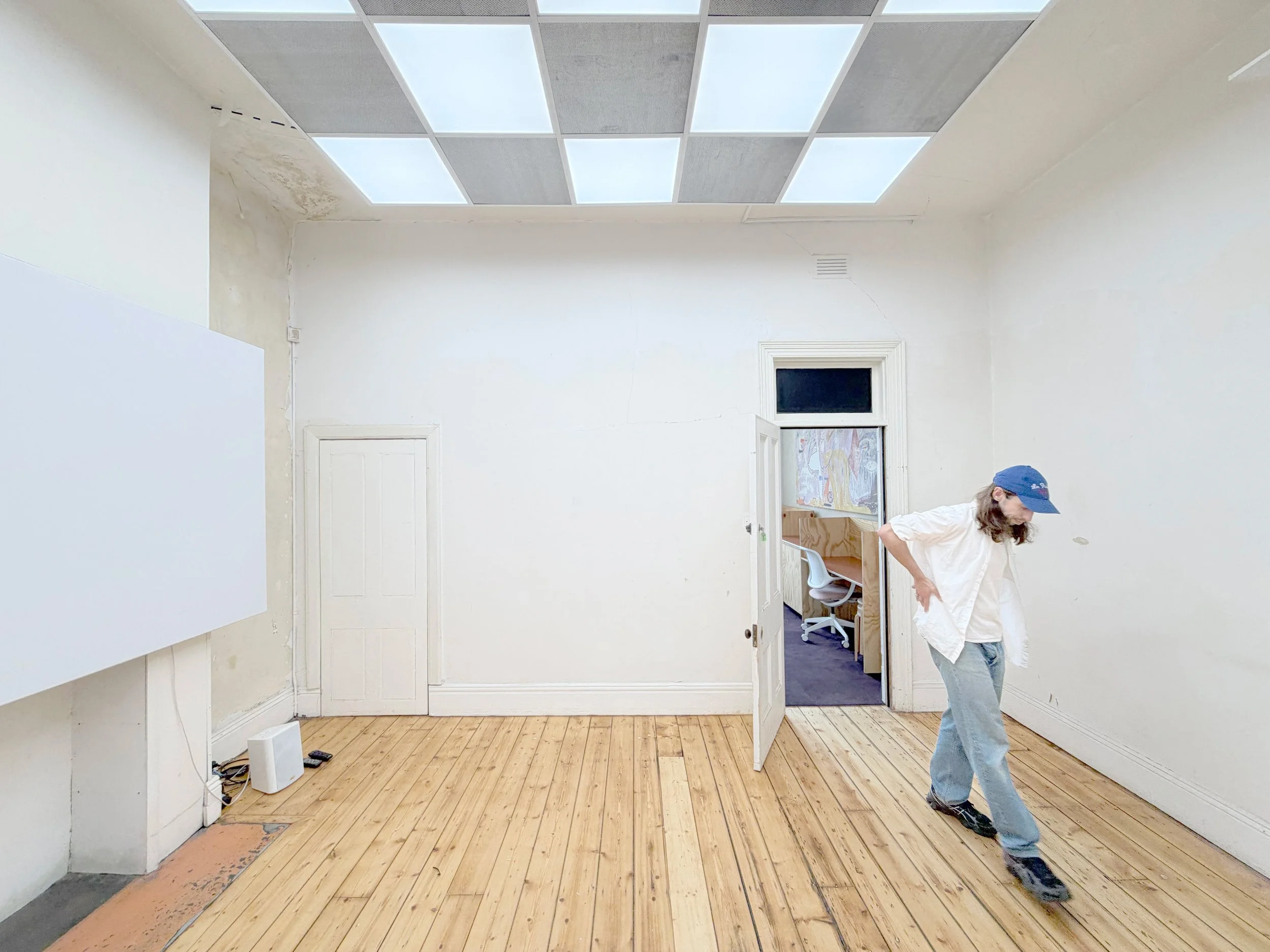
One more medium bag
Ou Guise, 2026 (raphi words)
11cm x 11cm
Glass beads, thread
River House, 2026 (amber and clear)
8cm x 8cm
Glass beads, thread